BANNER HEALTH

Eliminating dead ends in scheduling

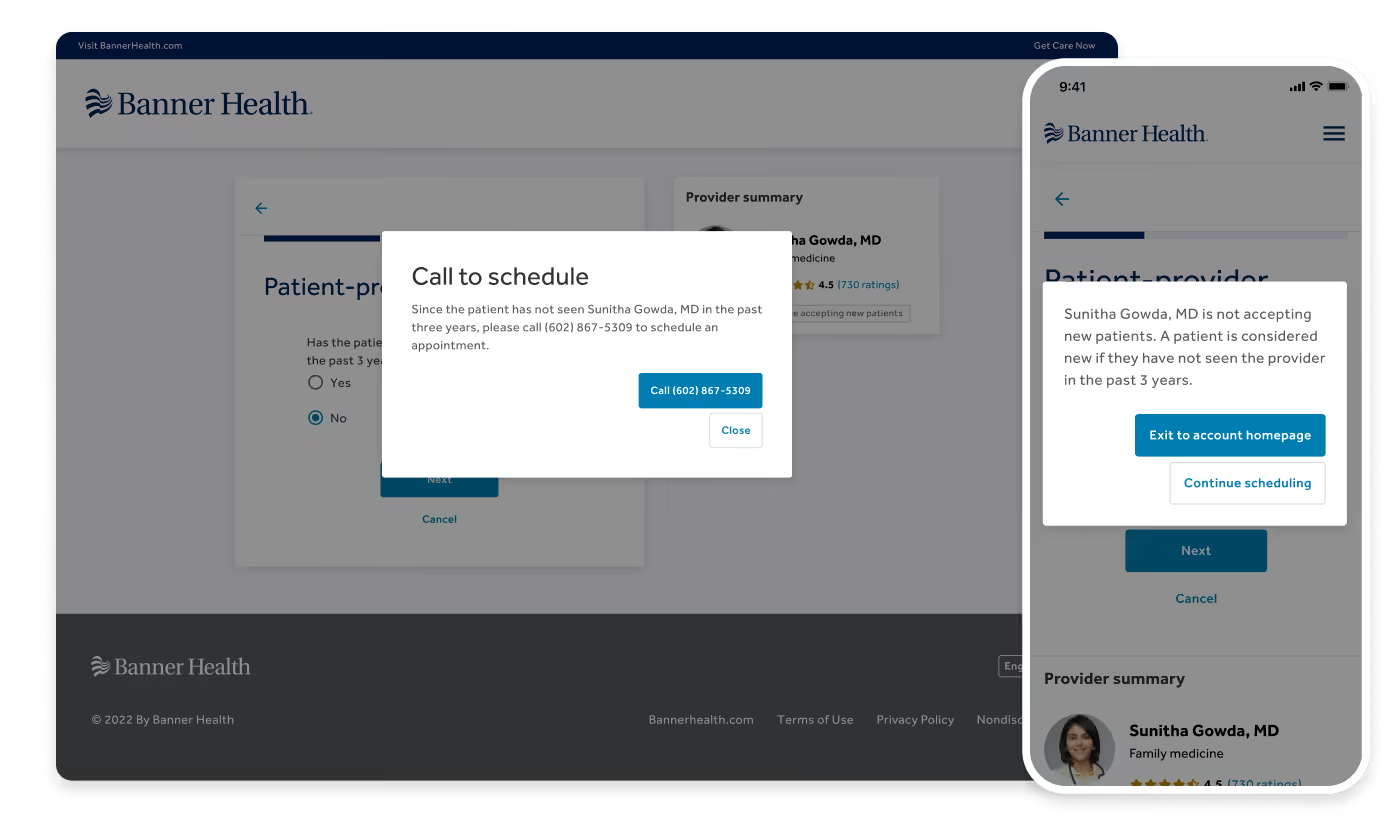
Banner Health's self-scheduling experience begins with selecting a provider and, in certain cases, business rules for new patient visits created a dead end preventing patients from scheduling an appointment they had clearly intended to schedule digitally.

I led the experience design for an enhancement that reframed this failure state into a guided path forward, helping patients find available care without restarting or calling to schedule.

THE PROBLEM

App usage data showed a significant drop-off early in the scheduling flow, consistently occurring with providers who limited new patient eligibility. Because increasing self-scheduling adoption was a key business goal, this drop-off represented a high-impact opportunity to improve the experience.
How might we remove barriers to self-scheduling a new patient appointment?

PROCESS

LISTEN

Conversations with patients confirmed what we also saw in feedback forms: most often, location is the most important factor in scheduling.

UNDERSTAND

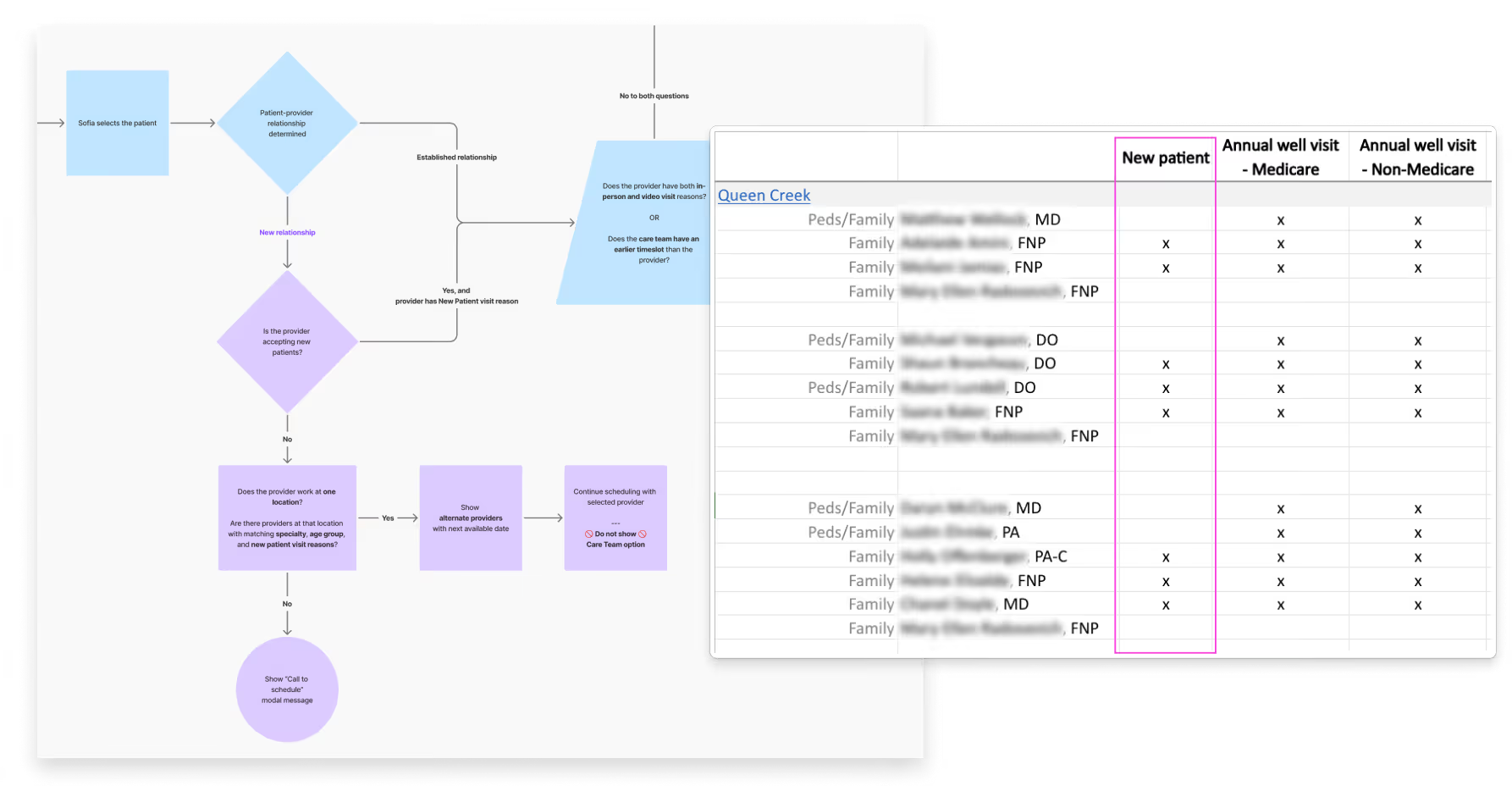
I spoke with clinic managers to understand existing workflows, constraints, and operational considerations.

TEST

Working alongside a frontend engineer, we confirmed available data points to display provider care teams and correct time slots.

THE SOLUTION

I reframed the failure state into a decision point. My approach emphasized:

  • Preserving user momentum rather than forcing a restart
  • Making system constraints clear but not burdensome
  • Supporting the broader goal of digital self-service adoption

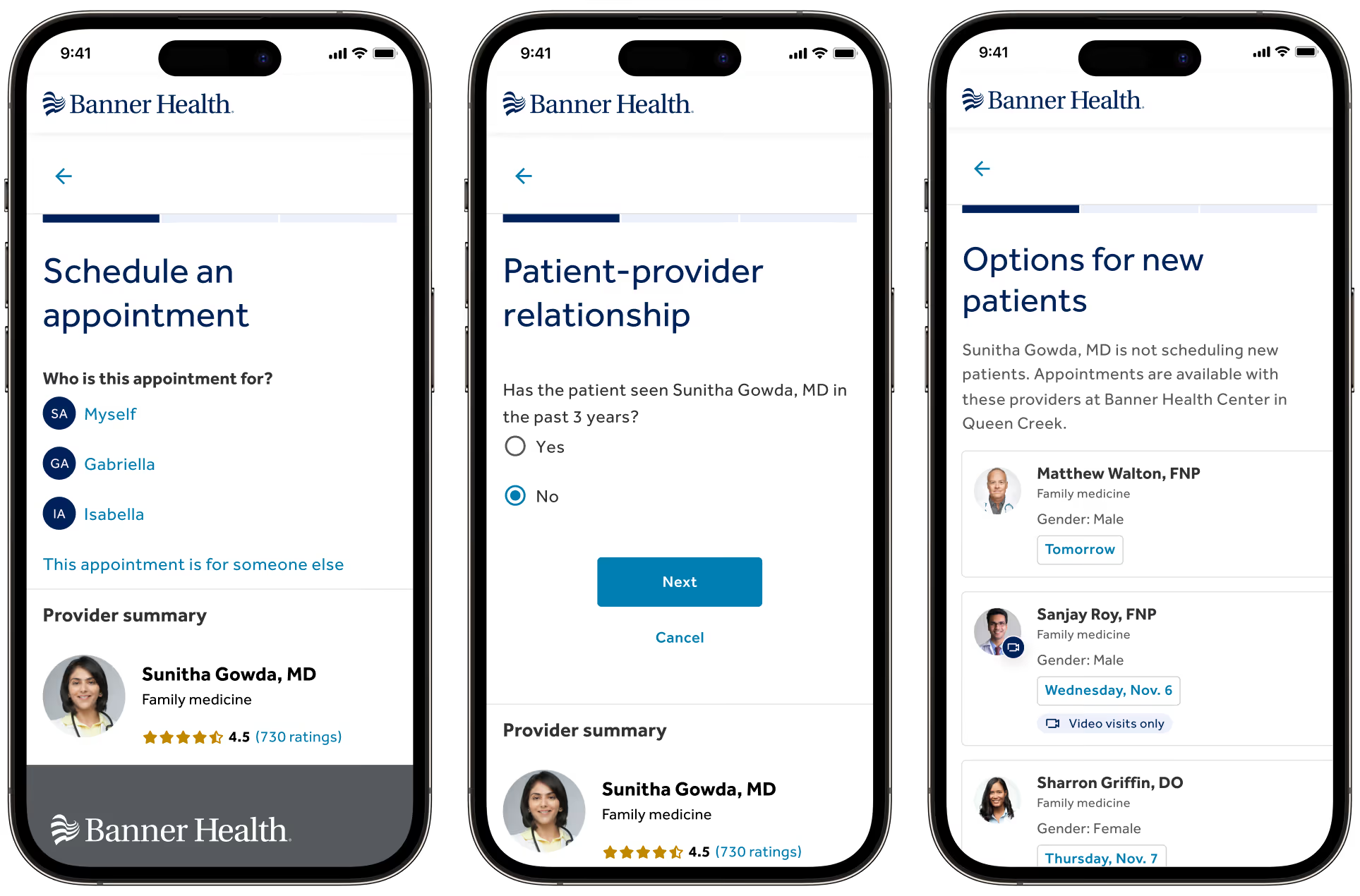
When a patient cannot schedule with their chosen provider, the experience now:

  • Explains why the appointment can’t be scheduled
  • Presents a list of available alternate providers at the same location
  • Allows patients to continue scheduling without restarting or calling

A dead end was transformed into a guided path forward, helping patients complete their task while respecting real-world availability constraints.

IMPACT

This enhancement addressed one of the highest drop-off points in the scheduling flow and directly supported the business goal of increasing the number of self-scheduled appointments.

More importantly, it improved the experience at a moment when patients were already invested — reducing frustration, preserving trust, and helping more people access care digitally.