BANNER HEALTH
Reducing friction in scheduling
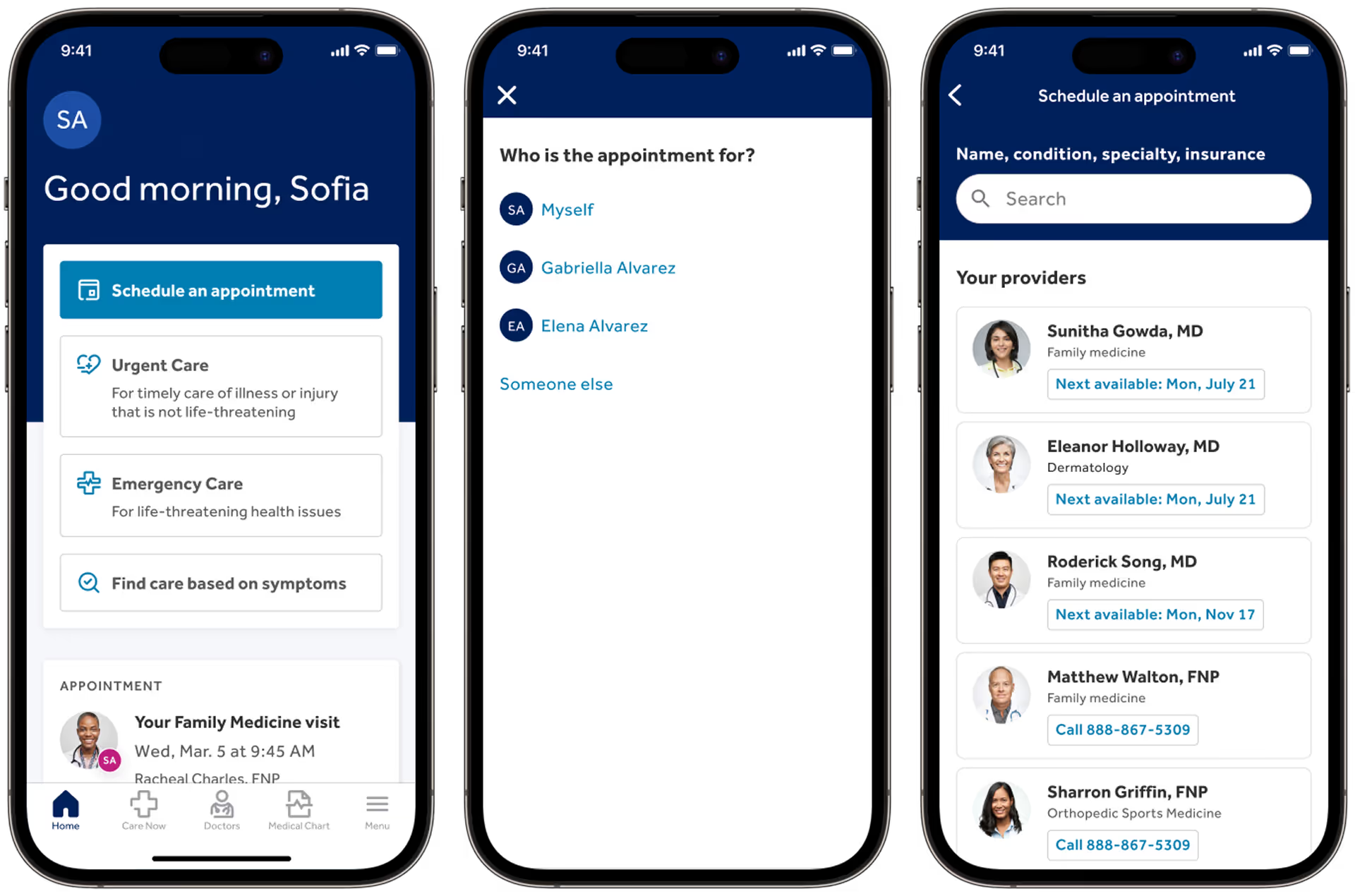
Patients frequently return to schedule care with providers they already know.
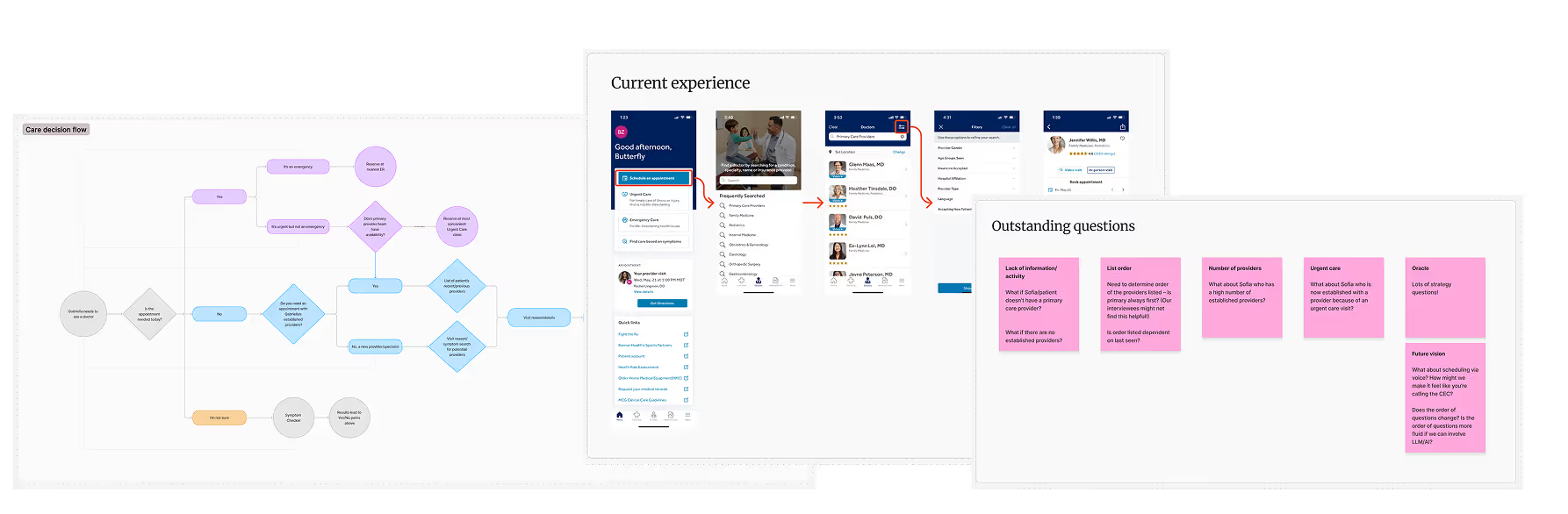
However, the mobile scheduling experience treated every appointment as a new search — requiring patients to re-enter information, browse providers again, and navigate unnecessary steps.
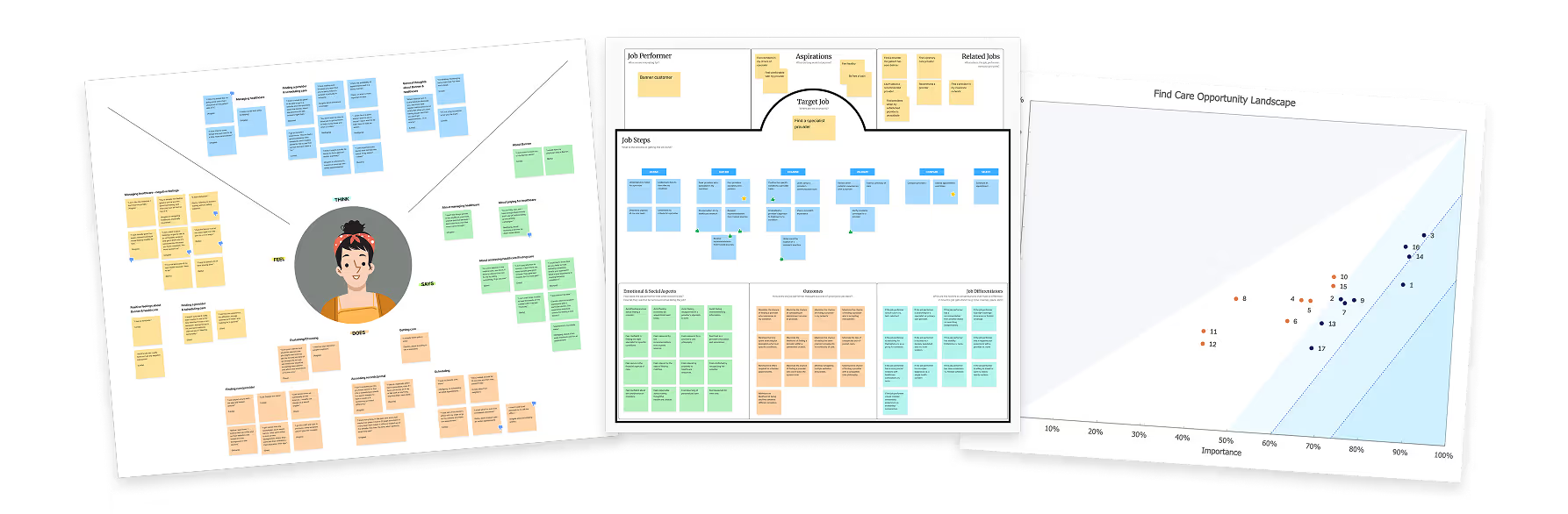
Research and analytics showed that while scheduling was one of the most important patient tasks, it also carried high friction and drop-off. Patients described the experience as “more work than it should be.”
THE PROBLEM
From the patient perspective, scheduling care digitally felt more complicated than it needed to be. In interviews, patients described the process as feeling like “more work than it should be,” especially during moments when they were already managing health-related stress.
From the business perspective, appointment scheduling represents both a critical service and a key opportunity. Encouraging patients to self-schedule reduces reliance on call centers and helps streamline operations — but friction in the digital experience was pushing patients to phone-based scheduling. This created a clear opportunity: make the most common scheduling scenarios faster and more intuitive, without introducing risk or complexity into an already regulated system.
The challenge was not to redesign scheduling entirely, but to identify where existing patient data and established patterns could be used more thoughtfully to support continuity of care and reduce unnecessary decision-making.